Why Every Startup Should Consider a D2C Ecommerce Agency Early On
Recognizing D2C Ecommerce: Top Solutions That Drive Development for Online Retail
The landscape of direct-to-consumer (D2C) ecommerce has evolved substantially. Brand names currently focus on individualized consumer experiences, reliable logistics, and calculated advertising and marketing to thrive. D2C Ecommerce Agency. Each component plays a crucial duty in boosting growth and developing a competitive side. As business navigate this intricate atmosphere, recognizing the nuances of these services ends up being vital. What specific methods are confirming most effective in driving success for D2C brand names today?
The Value of Direct-to-Consumer Ecommerce
As consumers progressively look for customized experiences, the value of direct-to-consumer (D2C) ecommerce has actually expanded significantly. This model allows brands to connect directly with their customers, bypassing traditional retail channels. By removing intermediaries, business can enhance profit margins and keep better control over their branding and consumer interactions.D2C ecommerce empowers organizations to gather useful customer data, enabling them to tailor their offerings and marketing approaches effectively. This data-centric approach cultivates much deeper client partnerships, as brand names can involve with their audience on a more personal level.Moreover, D2C platforms typically lead to faster responses loopholes, permitting firms to adjust promptly to market fads and consumer choices. This dexterity not just facilitates development however also enhances customer complete satisfaction. As the digital landscape remains to progress, the D2C design stands as a critical technique for brands intending to prosper in an affordable marketplace, ultimately improving the retail landscape.
Structured Logistics and Supply Chain Administration
To flourish in the competitive D2C ecommerce landscape, brand names should focus on structured logistics and supply chain monitoring. Efficient logistics not only guarantees prompt delivery however also boosts customer complete satisfaction, which is paramount for brand name commitment. By maximizing their supply chain procedures, business can reduce functional expenses and enhance stock management, leading to raised profitability.Utilizing innovation, such as automation and real-time tracking systems, allows brand names to acquire presence over their supply chains, making it possible for fast decision-making. Partnerships with dependable logistics carriers can even more boost distribution capabilities, making sure that items reach consumers quickly and efficiently.Moreover, data-driven understandings can aid brand names forecast demand properly, avoiding overstock or stockouts. Inevitably, a well-organized logistics approach empowers D2C brands to respond quickly to market modifications and client demands, placing them for growth in a rapidly progressing electronic marketplace.
Advanced Advertising Approaches for D2C Brands
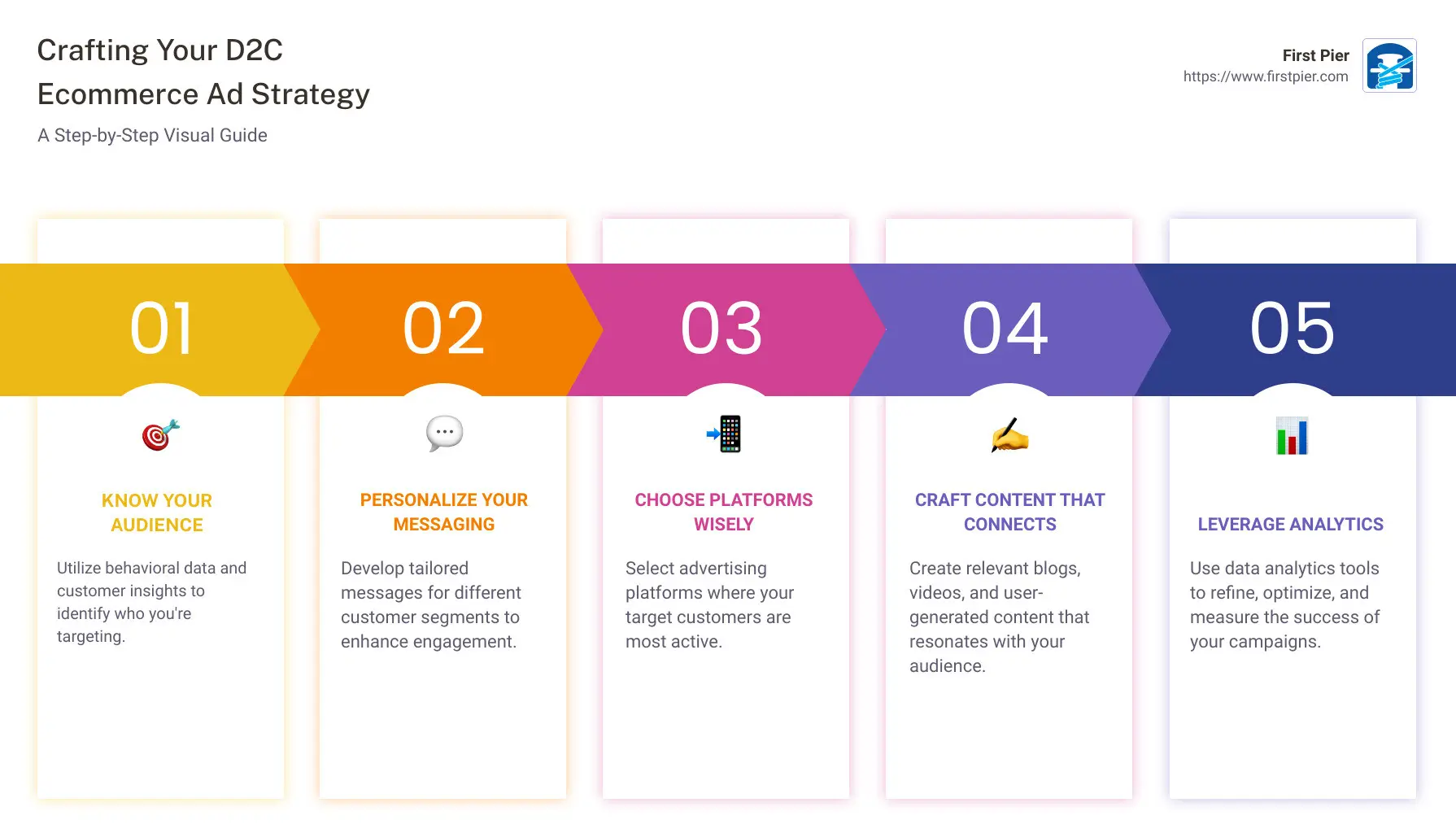
In the affordable landscape of direct-to-consumer (D2C) brands, progressed marketing methods play an essential role in driving engagement and sales. Targeted social media campaigns, influencer partnerships, and customized email advertising are crucial tactics that can significantly improve brand name visibility and client loyalty. By successfully leveraging these approaches, D2C brand names can maximize their advertising efforts to much better link with their target market.
Targeted Social Media Site Campaigns
How can D2C brands effectively take advantage of targeted social media sites projects to boost their market visibility? By making use of data-driven understandings, these brand names can recognize particular audience sectors and customize their messaging accordingly. Platforms like Facebook, Instagram, and TikTok provide advanced targeting options, permitting D2C brand names to reach potential consumers based on demographics, passions, and online actions. Engaging material, such as video clips and interactive blog posts, can record interest and drive brand awareness. Additionally, brand names should keep an eye on project performance via analytics, readjusting methods in real-time to enhance results. Budget allowance for paid advertisements can better magnify reach and engagement, guaranteeing that projects resonate with the designated target market. Ultimately, well-executed targeted social media projects can significantly boost presence and conversion rates for D2C brand names.

Influencer Partnership Approaches
While standard advertising approaches still hold value, D2C brands significantly discover that influencer partnerships use a dynamic avenue for getting to target audiences. These collaborations make it possible for brands to utilize the credibility and count on that influencers have constructed with their followers. By lining up with influencers whose values resonate with their target market, D2C brands can enhance brand name exposure and trustworthiness. Moreover, influencer partnerships often include varied content styles, such as testimonials, tutorials, and unboxings, which can engage customers better than standard ads. In addition, monitoring and analytics devices enable brand names to determine the effect of these collaborations, guaranteeing a data-driven strategy to advertising and marketing techniques. Ultimately, influencer collaborations can considerably add to brand name growth in the competitive D2C landscape.
Individualized Email Advertising And Marketing
Influencer partnerships have actually verified efficient in boosting brand name presence, yet individualized email advertising remains a foundation technique for D2C brand names looking for much deeper client engagement. This method involves segmenting consumer information to tailor messages based upon specific preferences, acquisition history, and habits. By delivering pertinent web content, brands can cultivate loyalty and rise conversion rates. Automated projects, such as welcome series or deserted cart suggestions, likewise boost the consumer experience by supplying timely, customized communications. Furthermore, A/B screening subject lines and material can refine approaches to make the most of open and click-through rates. Inevitably, successful personalized e-mail advertising not just drives sales however also constructs lasting partnerships, positioning D2C brand names for lasting growth in the affordable ecommerce landscape.
The Function of Information Analytics in Driving Growth
As services increasingly navigate the competitive landscape of direct-to-consumer (D2C) ecommerce, leveraging data analytics has actually become necessary for driving development. The ability to collect and examine vast amounts of customer information enables companies to recognize fads, preferences, and habits that notify strategic decisions. By making use of analytics, companies can enhance their item offerings and tailor advertising and marketing projects to meet particular client demands, ultimately improving conversion rates.Additionally, information analytics encourages companies to measure performance metrics precisely, allowing them to analyze the effectiveness of their methods in actual time. This understanding permits active modifications that can make the most of ROI. Furthermore, predictive analytics can forecast future purchasing behaviors, assisting businesses in supply monitoring and demand preparation. On the whole, the critical application of data analytics not only drives sales but also fosters a much deeper understanding of the customer, placing D2C brands for lasting development in a vibrant market.
Customer Support Solutions That Enhance Loyalty
Customer solution solutions play a vital duty in promoting client loyalty in the D2C ecommerce landscape. By executing tailored interaction approaches, reliable return monitoring, and positive support channels, businesses can significantly enhance the customer experience. These strategies not just attend to client needs but also construct long-term partnerships that drive repeat acquisitions.
Customized Communication Methods
Customized communication approaches represent a keystone of efficient client service in the D2C ecommerce landscape. These approaches make it possible for brand names to promote deeper links with their consumers by customizing interactions based on specific preferences and behaviors. Making use of data analytics, organizations can segment their audiences and provide targeted messages that resonate with details client needs. This strategy not only enhances client contentment yet also constructs loyalty, motivating repeat purchases. Furthermore, tailored communication can reach numerous networks, consisting of email, social media sites, and live chat, making certain that clients really feel valued and comprehended. Because of this, carrying out these techniques aids brands separate themselves in a competitive market, eventually driving development and enhancing the total customer experience.
Effective Return Monitoring
Efficient return administration is important for constructing customer loyalty in the D2C ecommerce setting - D2C Ecommerce Agency. A seamless return procedure not only boosts the customer experience however likewise cultivates rely on the brand name. Firms that execute uncomplicated return plans, give clear guidelines, and offer hassle-free return alternatives frequently see higher customer fulfillment levels.Additionally, prompt refunds and responsive client solution throughout the return procedure can significantly affect a customer's understanding of the brand. By prioritizing effective return administration, D2C organizations see here now can decrease friction, urge repeat Discover More acquisitions, and ultimately cultivate long-lasting commitment. This emphasis on customer-centric return services differentiates brand names in a competitive landscape, ensuring they stay top-of-mind for customers
Positive Support Channels
Proactive support channels work as a keystone for boosting consumer commitment in the D2C ecommerce landscape. By preparing for client requirements and resolving possible problems prior to they emerge, brand names can develop a smooth buying experience. These channels consist of real-time chat support, AI-driven Frequently asked questions, and personalized follow-ups. By executing these services, companies show a dedication to customer complete satisfaction, fostering trust fund and motivating repeat purchases. In addition, proactive involvement allows brands to collect important feedback, making it possible for constant enhancement in product or services. This collective approach not just solves problems swiftly yet also encourages customers, making them really feel valued. Eventually, the use of aggressive support networks substantially adds to greater client retention and favorable brand assumption in the competitive D2C market.
Leveraging Social Media Site for Brand Involvement
As brands browse the competitive landscape of D2C eCommerce, leveraging social networks for brand interaction has actually ended up being essential for developing significant connections with customers - D2C Ecommerce Agency. Social media platforms function as vibrant channels for brand names to display their identity, worths, and offerings, fostering a feeling of area among their target market. By creating engaging content that resonates with target demographics, brands can encourage communication and dialogue, enhancing consumer loyalty.Engaging with consumers with social media sites enables real-time responses and insights, which can notify item growth and advertising and marketing techniques. Using attributes such as polls, stories, and live video clips can better amplify interaction. Furthermore, working together with influencers can broaden reach and reliability, using well-known audiences.Ultimately, a well-executed social networks strategy not only boosts brand exposure however also cultivates an authentic connection with consumers, driving long-lasting growth in the competitive D2C landscape
Developing a Strong Online Existence and Site Optimization
A durable online presence is important for D2C brands wanting to utilize on the interaction promoted with social networks. To accomplish this, brands should prioritize website optimization, ensuring that their sites are straightforward, aesthetically appealing, and receptive across devices. Rapid packing times and seamless navigating are essential, as they straight effect user experience and conversion rates.Incorporating solid search engine optimization methods is also necessary, allowing brands to boost exposure on online search engine and attract natural web traffic. Content hop over to these guys needs to be engaging and informative, efficiently communicating the brand's worth recommendation while dealing with customer needs.Additionally, using analytics tools permits brand names to track visitor habits, determine patterns, and make data-driven choices for constant improvement. Social evidence, such as customer testimonials and testimonies, can enhance credibility and foster depend on. Collectively, these approaches produce a thorough on the internet presence that not just attracts prospective consumers however also keeps and converts them right into faithful advocates for the brand name.
Regularly Asked Inquiries
What Are the Preliminary Prices of Starting a D2C Ecommerce Service?
The first costs of starting a D2C ecommerce organization usually consist of site growth, inventory purchase, branding, advertising and marketing expenses, and shipping logistics. Furthermore, functional prices like software program subscriptions and settlement processing charges might additionally emerge.
How Do I Choose the Right Ecommerce Platform for My D2C Brand?
Selecting the appropriate ecommerce system requires assessing company requirements, budget plan, user-friendliness, and scalability. Researching offered functions, combinations, and consumer assistance alternatives can significantly influence a direct-to-consumer brand's long-term success and operational efficiency.
What Settlement Techniques Should I Deal for D2C Deals?
Exactly How Can I Efficiently Deal With Returns and Exchanges in D2C?
Dealing with returns and exchanges effectively in D2C requires clear plans, very easy procedures, and receptive customer support. Structured logistics, clear communication, and user-friendly technology enhance customer contentment and commitment, inevitably driving repeat organization and favorable brand name understanding.
What Legal Factors to consider Should I Be Mindful of in D2C Ecommerce?
Lawful considerations in D2C ecommerce include compliance with consumer defense legislations, data personal privacy policies, copyright legal rights, and taxation policies. Businesses must guarantee clear terms of solution and comply with applicable advertising and marketing requirements to mitigate prospective lawful dangers. By aligning with influencers whose worths resonate with their target market, D2C brand names can improve brand name visibility and reputation. Influencer partnerships have confirmed efficient in improving brand exposure, yet customized e-mail marketing continues to be a foundation method for D2C brands seeking much deeper consumer engagement. Companies that carry out uncomplicated return policies, offer clear instructions, and deal convenient return choices often see higher customer complete satisfaction levels.Additionally, prompt reimbursements and responsive consumer solution during the return procedure can greatly affect a consumer's perception of the brand. As brands navigate the affordable landscape of D2C eCommerce, leveraging social media for brand name involvement has actually become crucial for building meaningful connections with consumers. Material must be interesting and interesting, effectively connecting the brand name's value recommendation while attending to client needs.Additionally, using analytics devices permits brands to track visitor behavior, identify trends, and make data-driven decisions for continuous improvement.